The Philosopher
Amílcar Cabral
The face
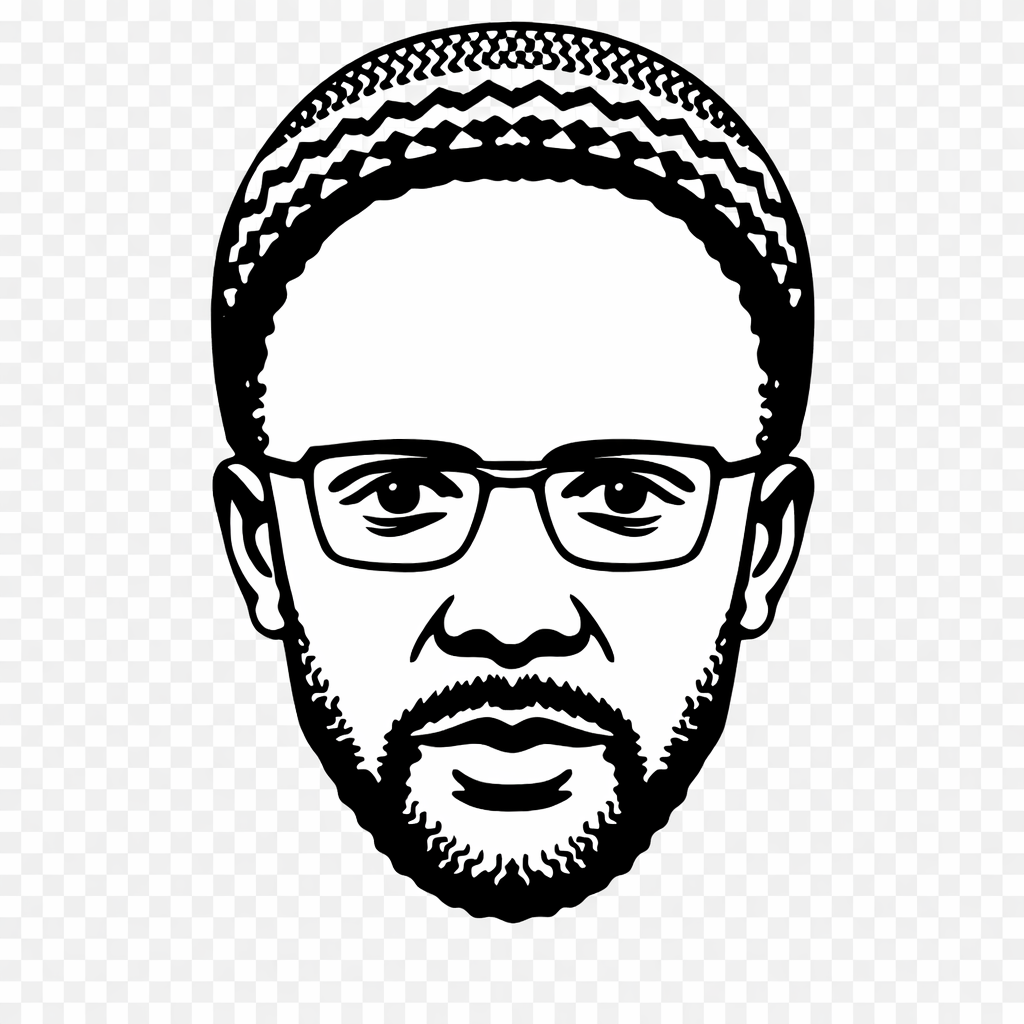
The background
- Nationality:
- Bissau-Guinean and Cape Verdean
- Schools:
- African Party for the Independence of Guinea and Cape Verde, People's Movement for the Liberation of Angola, All-African People's Revolutionary Party
- Branchs:
- agronomy
- Period:
- 20th century
The synopsis
Amílcar Lopes Cabral was a Bissau-Guinean and Cape Verdean agricultural engineer, political organizer, diplomat, and a prominent anti-colonial leader. Born on September 12, 1924, in Bafatá, Portuguese Guinea, to Cape Verdean parents, he was educated in Cape Verde and later at the Instituto Superior de Agronomia in Lisbon, Portugal. While in Lisbon, he co-founded the Centro do Estudos Africanos and engaged in student movements against the Portuguese dictatorship.
Returning to Africa, Cabral conducted an agricultural census in Portuguese Guinea, gaining intimate knowledge of the land and people. In 1956, he co-founded the African Party for the Independence of Guinea and Cape Verde (PAIGC) and was also a founding member of the Popular Movement for the Liberation of Angola (MPLA). From 1963 until his assassination in 1973, Cabral led the PAIGC's successful guerrilla war of independence against Portuguese rule. He was deeply influenced by Marxism and inspired revolutionary movements globally. Cabral was shot dead on January 20, 1973, in Conakry, Guinea, just months before Guinea-Bissau's declaration of independence.
The works
Resistance and Decolonization
Return to the Source: Selected Speeches of Amilcar Cabral
Unity and Struggle: Speeches and Writings of Amilcar Cabral