The Philosopher
Algernon Sydney
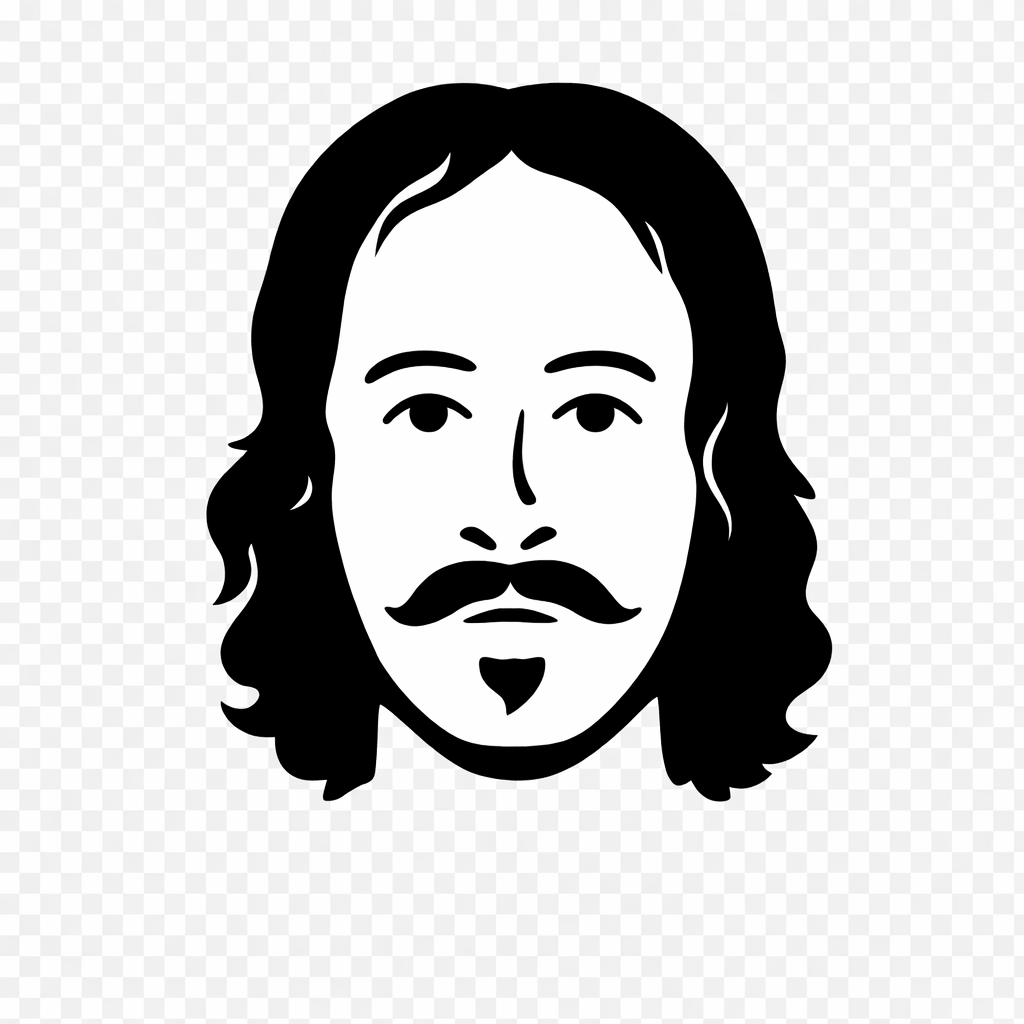
The face
The background
- Nationality:
- English
- Schools:
- Republicanism
- Branchs:
- Political philosophy
- Period:
- 17th-century philosophy
The synopsis
Algernon Sidney (15 January 1623 – 7 December 1683) was an English politician, republican political theorist, and colonel. He was a member of the Long Parliament and a commissioner for the trial of King Charles I, although he opposed the king's execution. Sidney later opposed Charles II, and was charged with plotting against him, with his work 'Discourses Concerning Government' being used as evidence at his trial. He was executed for treason. After his death, Sidney was revered as a Whig patriot, hero, and martyr. His works, alongside those of John Locke, are considered cornerstones of Western political thought. James Madison and Thomas Jefferson cited Sidney's 'Discourses Concerning Government' as containing the 'general principles of liberty and rights of man'. The work directly opposed the divine right of kings, advocating for limited government, consent of the governed, and the right of citizens to alter or abolish a corrupt government. It has been called the 'textbook of the American revolution'. Sidney was born at Baynard's Castle, London, and was raised at Penshurst Place in Kent. Despite initial vows against bearing arms, he served in the Army of the Eastern Association, fighting at the Battle of Marston Moor. He was elected to the Long Parliament in 1645. After the Restoration in 1660, Sidney lived in exile in Rome and Geneva, facing assassination attempts. He returned to England in 1677 and became involved in opposition politics, receiving funds from the French ambassador. He was implicated in the Rye House Plot, arrested, and tried. The prosecution used his unpublished manuscript, 'Discourses Concerning Government,' as evidence, leading to his conviction and execution for treason. His final words on the scaffold declared he was dying for the 'Good Old Cause'.
The works
Discourses Concerning Government
Apology in the Day of His Death
Court Maxims