The Philosopher
Alexander Wendt
The face
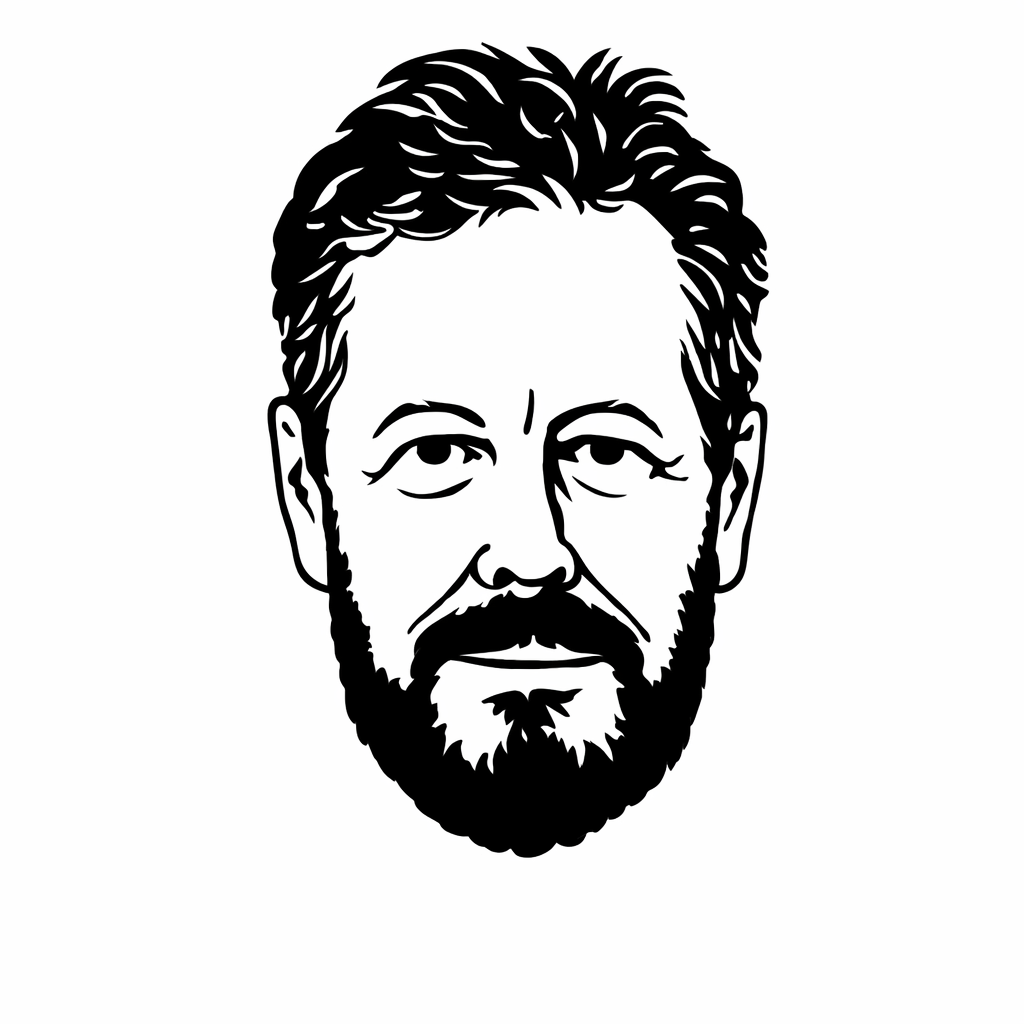
The background
- Nationality:
- American
- Schools:
- Constructivism, Neorealism, Critical realism
- Period:
- 21st century
The synopsis
Alexander Wendt (born 12 June 1958) is an American political scientist and a founding figure of social constructivism in the field of international relations, and a key contributor to quantum social science. Wendt and academics such as Nicholas Onuf, Peter J. Katzenstein, Emanuel Adler, Michael Barnett, Kathryn Sikkink, John Ruggie, Martha Finnemore and others have, within a relatively short period, established constructivism as one of the major schools of thought in the field. A 2017 TRIP survey ranked Wendt as the most influential scholar in the field over the past 20 years. His scholarship has garnered over 50,000 citations on Google Scholar. Born in Mainz, West Germany, Wendt received his Ph.D. from the University of Minnesota. He has taught at Yale University, Dartmouth College, the University of Chicago, and is currently at The Ohio State University. His major works include 'Social Theory of International Politics' (1999), which responded to Kenneth Waltz's neorealism, and 'Quantum Mind and Social Science' (2015), synthesizing quantum physics and social theory. He has also researched UAP and national security, with a forthcoming book on the topic. Wendt was awarded the Johan Skytte Prize in Political Science in 2023 and elected to the American Academy of Arts and Sciences in 2025.
The works
Social Theory of International Politics
Anarchy is What States Make of It: The Social Construction of Power Politics
Quantum Mind and Social Science Unifying Physical and Social Ontology
Quantum International Relations: A Human Science for World Politics
The Last Humans: UFOs and National Security
The agent-structure problem in international relations theory
Constructing International Politics
Driving with the Rearview Mirror: On the Rational Science of Institutional Design
Why a World State is Inevitable
Sovereignty and the UFO