The Philosopher
Alain de Lille
The face
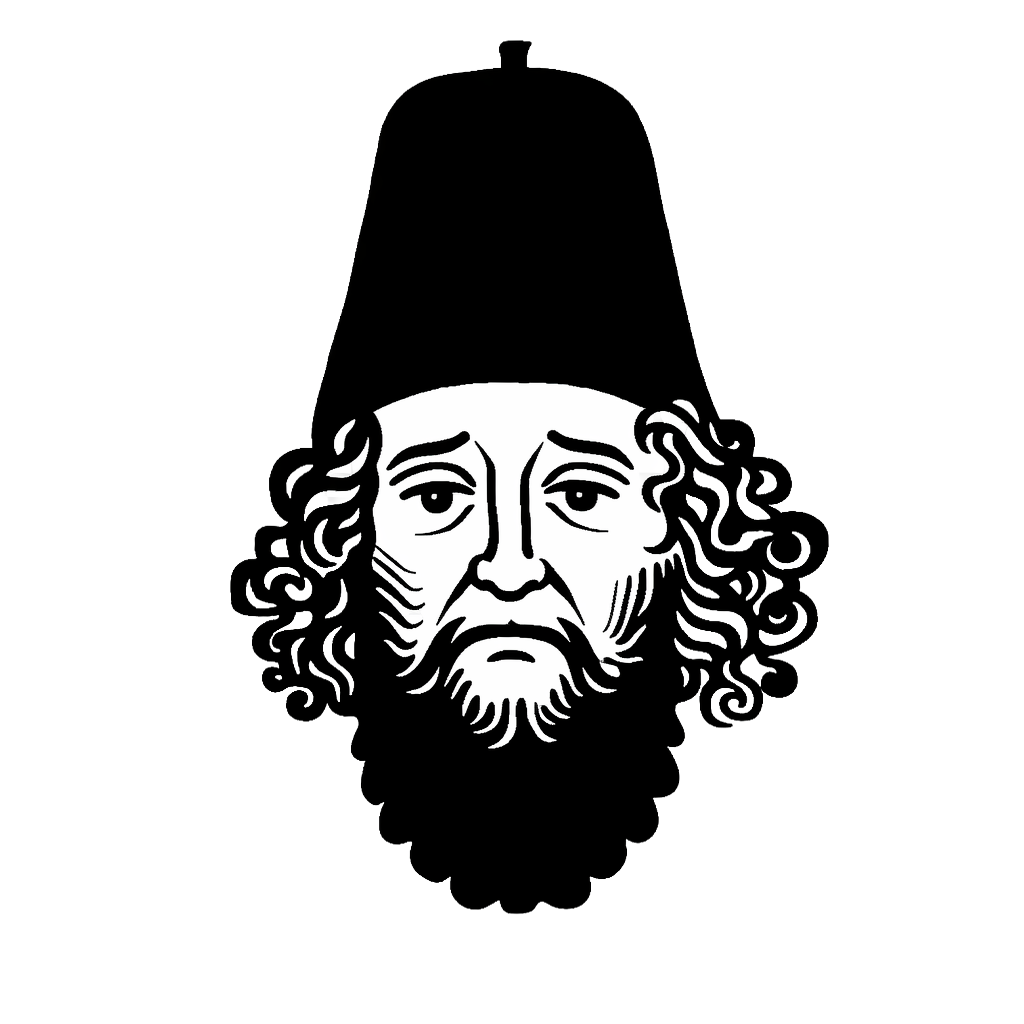
The background
- Nationality:
- French
- Schools:
- Scholasticism, Rationalism, Mysticism, Neoplatonism, Aristotelian logic
- Branchs:
- Theology, Philosophy, Poetry, Liberal arts
- Period:
- Middle Ages
The synopsis
Alain de Lille (c. 1128 – 1202/1203) was a French theologian and poet, also known as Alan of Lille or Latin: Alanus ab Insulis. Born in Lille, France, his exact date of death is uncertain, falling between April 14, 1202, and April 5, 1203. He is renowned for his writings on the liberal arts, including the poem "De planctu Naturae" ("The Complaint of Nature"), which critiques human sexual conduct. Despite his fame during his lifetime, little is documented about his personal life. As a theologian, Alain resisted scholasticism in the latter half of the 12th century, advocating for a philosophy blending rationalism and mysticism. He believed reason could uncover truths about the physical world, but divine and religious truths required faith. Alain taught theology at the University of Paris and influenced significant figures like Thomas Aquinas and Dante Alighieri. His work encompassed theological treatises, moral theology, and poetry, addressing themes from logic and metaphysics to ethics and the critique of societal vices. He is often referred to as 'Doctor Universalis' due to his wide-ranging knowledge.
The works
De planctu Naturae
Anticlaudianus
Summa Quoniam Homines
De Fide Catholica
Regulae Caelestis Iuris
Ars Praedicandi
Liber Poenitentialis