The Philosopher
Adi Shankaracharya
The face
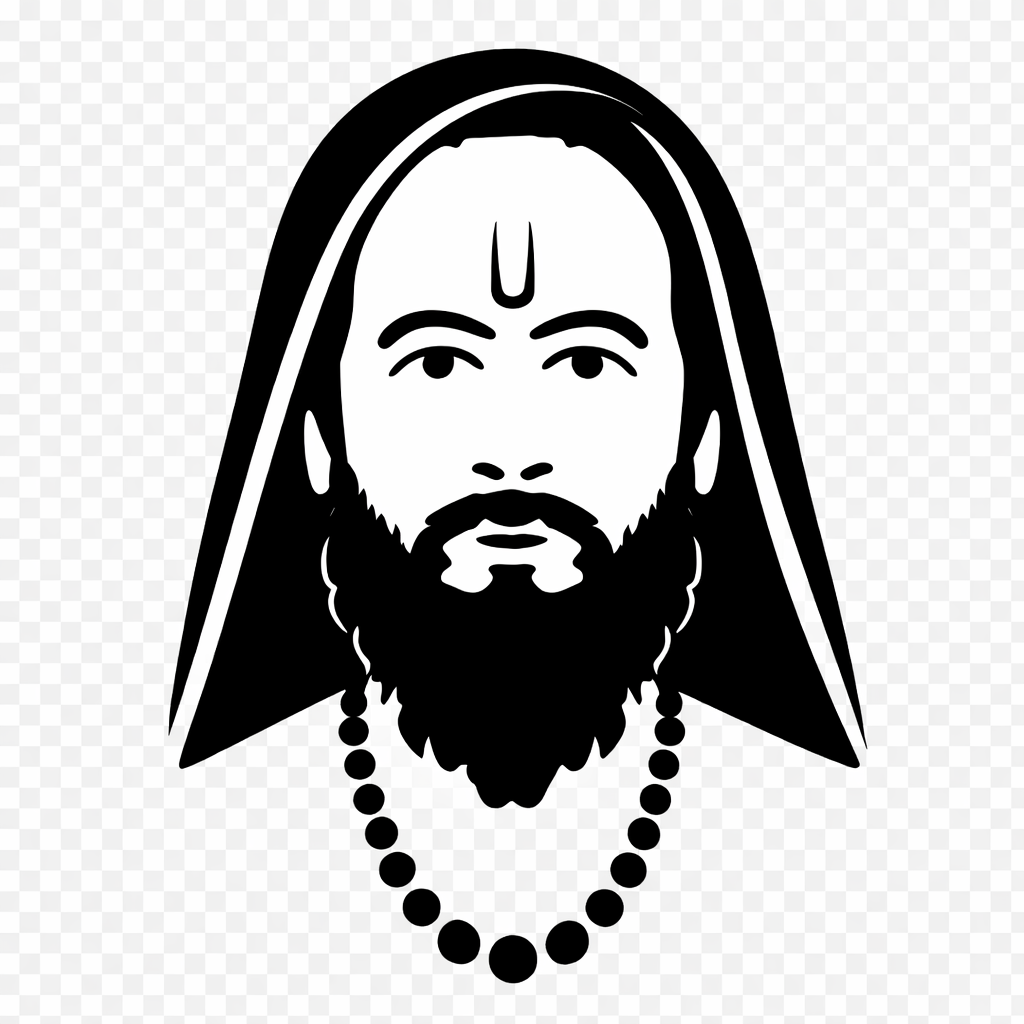
The background
- Nationality:
- Indian
- Schools:
- Advaita Vedanta
- Period:
- 8th century CE
The synopsis
Adi Shankara, also called Adi Shankaracharya, was an Indian Vedic scholar, monk, philosopher, and teacher of Advaita Vedanta. While in recent times he is often revered as the most important Indian philosopher, reliable information on Shankara's actual life is scant, and the historical influence of his works on Hindu intellectual thought has been questioned. The historical Shankara was probably relatively unknown and Vaishnava-oriented and his true impact lies in the popular perception of him as a heroic religious leader who re-established traditional Hinduism. Until the 10th century Shankara was overshadowed by his older contemporary Maṇḍana Miśra, and there is no mention of him in concurrent Hindu, Buddhist or Jain sources until the 11th century. The legendary Shankara was created in the 14th century, centuries after his death, when Sringeri matha (monasteries) started to receive patronage from the emperors of the Vijayanagara Empire and shifted their allegiance from Advaitic Agamic Shaivism (Śaivism) to Brahmanical Advaita orthodoxy. Hagiographies dating from the 14th-17th centuries deified him as a ruler-renunciate, travelling on a digvijaya (conquest of the four quarters) across the Indian subcontinent to propagate his philosophy, defeating his opponents in theological debates. These hagiographies also portray him as founding four mathas. Adi Shankara also came to be regarded as the organiser of the Dashanami monastic order, and the unifier of the Shanmata tradition of worship. The title of Shankaracharya, used by heads of certain monasteries in India, is derived from his name. Tradition also portrays him as the one who reconciled the various sects (Vaishnavism, Shaivism, and Shaktism) with the introduction of the Panchayatna (Pañcāyatana) form of worship, the simultaneous worship of five deities – Ganesha, Surya, Vishnu, Shiva, and Devi, arguing that all deities were but different forms of the one Brahman, the invisible Supreme Being.
The works
Brahmasutrabhasya
Commentaries on ten principal Upanishads
Commentary on the Bhagavad Gita
Upadesasahasri